Mission
At Vantier Co., our mission is to equip modern explorers with premium gear built for freedom, reliability, and life beyond the pavement.
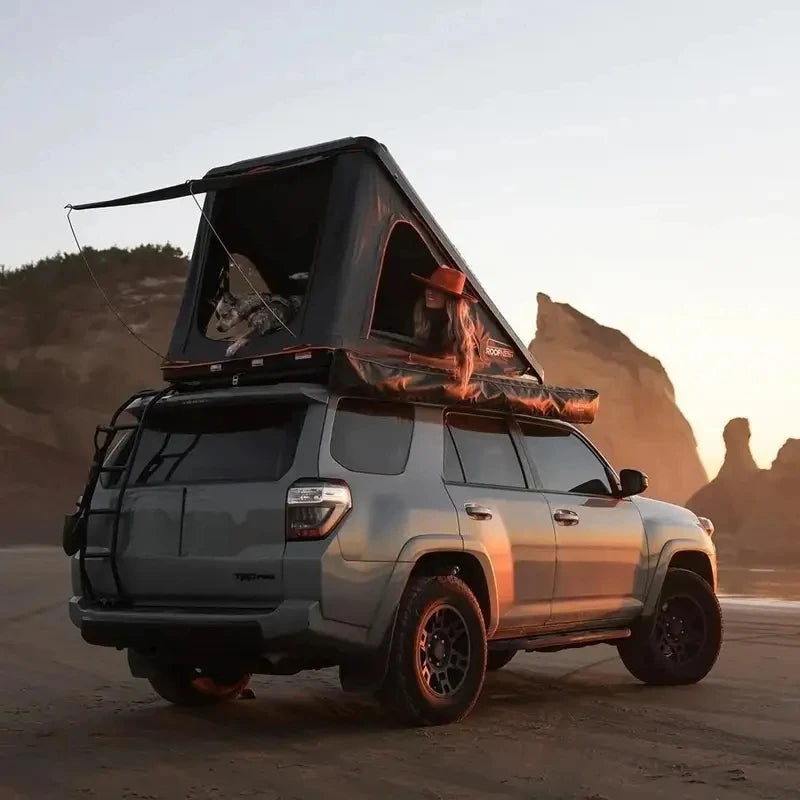
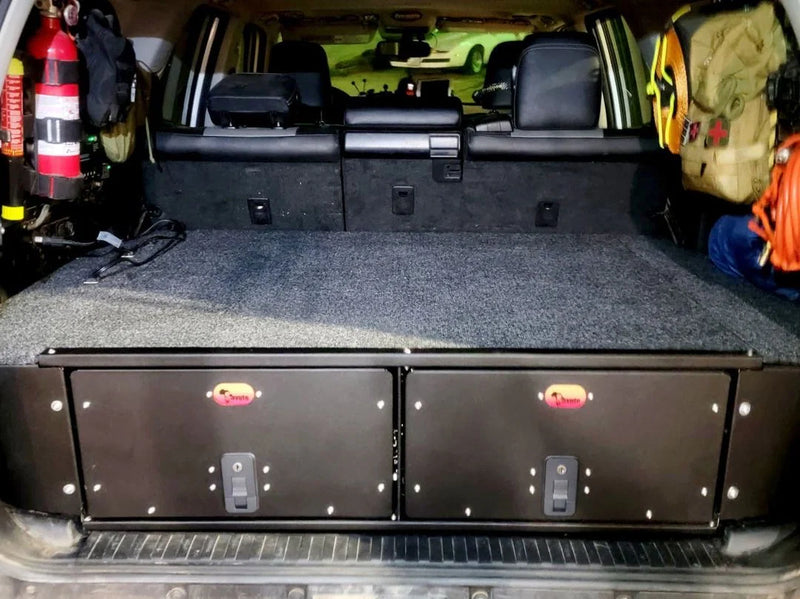
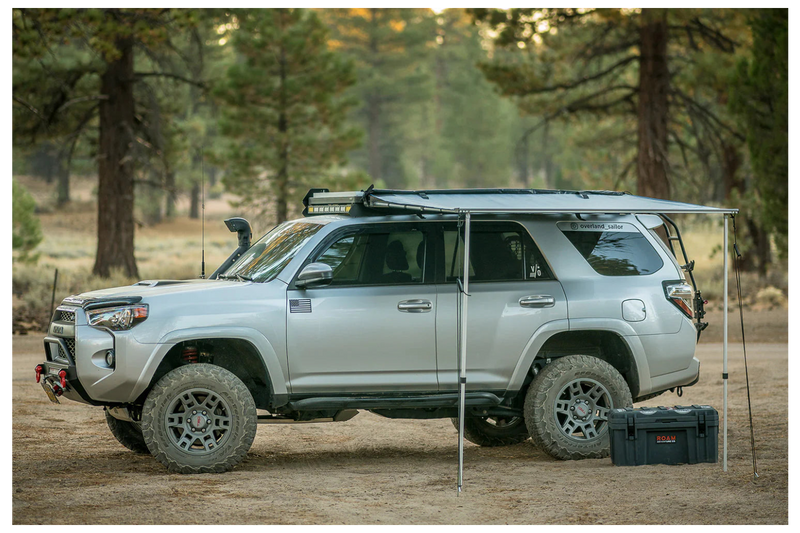
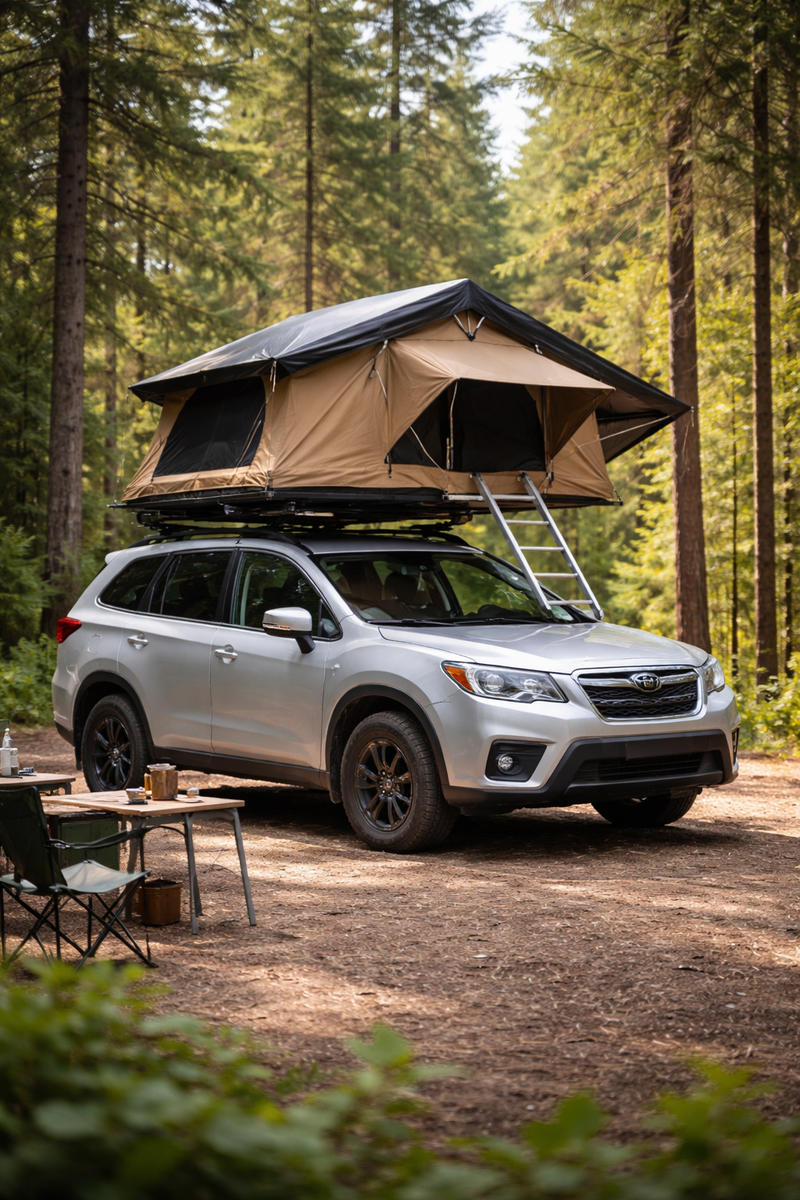
We specialize in high-quality rooftop tents, overland drawer systems, and essential accessories designed to transform any vehicle into a fully capable adventure setup. Every product we offer is carefully selected for durability, functionality, and real-world performance—because when you're off the grid, there’s no room for compromise.
We believe overlanding isn’t just a hobby—it’s a lifestyle. That’s why we’re committed to making premium gear accessible, so our customers can travel farther, stay longer, and explore with confidence.
Driven by a customer-first mindset, Vantier Co. stands for trust, quality, and continuous improvement—delivering not just products, but the foundation for unforgettable journeys.
Featured Brands
Blog posts
Plastic vs Wood Drawer Systems: Pros, Cons, Lon...
If you’re building out your truck bed for overlanding or everyday use, one of the most overlooked decisions is the material of your drawer system.
Plastic or wood?
At first, it might seem like a small detail—but the material you choose directly impacts durability, weight, performance, and long-term reliability.
In this guide, we’ll break down the differences so you can choose a setup that actually holds up over time.
Why Material Matters More Than You Think
A drawer system isn’t just storage—it becomes the foundation of your entire setup.
It supports your gear, handles constant use, and often takes on weight from above (like cargo or even sleeping platforms).
Choosing the right material ensures your setup stays smooth, reliable, and built to last.
Plastic Drawer Systems
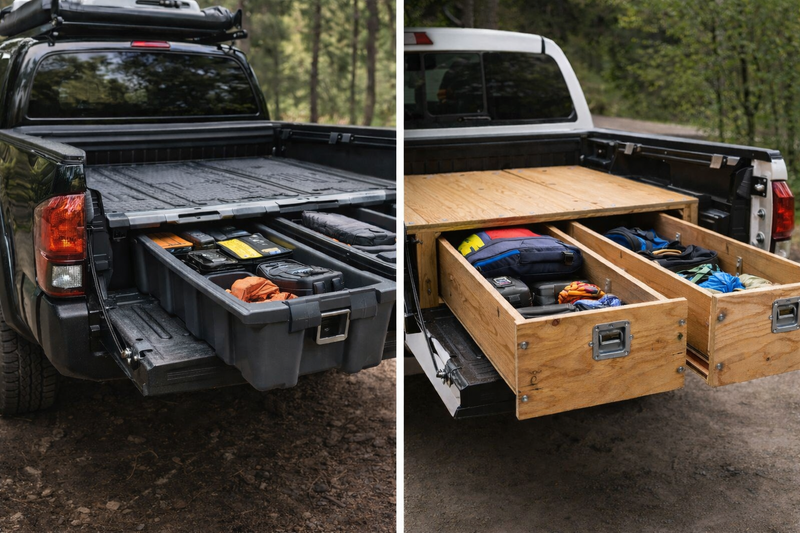
Plastic drawer systems are typically made from high-density polyethylene or composite materials designed to be lightweight and resistant to the elements.
Pros:
- Lightweight and easier to install
- Resistant to water, moisture, and corrosion
- Low maintenance
- Durable against everyday wear and tear
Cons:
- Can flex under heavy loads
- Less rigid compared to wood or metal
- Limited customization options
Wood Drawer Systems
Wood drawer systems are often built using plywood or reinforced wood materials, sometimes coated or sealed for protection.
Pros:
- Strong and rigid structure
- Great for heavy-duty storage
- Easier to customize or modify
- Often more cost-effective upfront
Cons:
- Heavier than plastic systems
- Can be affected by moisture if not sealed properly
- May wear over time with heavy use
Key Differences That Matter
Weight
Plastic systems are significantly lighter, which can help with fuel efficiency and ease of installation. Wood systems are heavier but offer more rigidity.
Durability
Plastic holds up well against moisture and weather, while wood excels in strength and load-bearing—especially when built properly.
Maintenance
Plastic requires very little maintenance. Wood systems may need sealing or upkeep to prevent damage over time.
Longevity
Both can last for years—but it depends on how they’re used.
Plastic systems tend to perform better in wet or harsh environments, while wood systems can last just as long if properly maintained and protected.
Which One Should You Choose?
If you want something lightweight, weather-resistant, and low maintenance, a plastic drawer system is a solid choice.
If your priority is strength, customization, and heavy-duty use, a wood system may be the better option.
The right choice depends on how you use your truck and what you expect from your setup.
Common Mistakes to Avoid
One of the biggest mistakes is choosing based on price alone instead of long-term use.
Another is not considering weight—especially if you’re adding other gear like rooftop tents or additional storage.
It’s also important to think about your environment. Moisture, heat, and heavy loads all play a role in how your system will perform over time.
Final Thoughts
Both plastic and wood drawer systems have their place.
What matters most is choosing a system that fits your lifestyle, your vehicle, and how you plan to use your setup day-to-day.
When done right, a quality drawer system can completely transform how you organize and use your truck.
Build Your Setup with Vantier Co.
We offer overland gear designed for durability, functionality, and real-world performance.
Whether you’re looking for a lightweight setup or a heavy-duty solution, choosing the right drawer system is key to building a setup you can rely on.
Explore our collection and start building your setup today.
Apr 07, 2026
Plastic vs Wood Drawer Systems: Pros, Cons, Lon...
If you’re building out your truck bed for overlanding or everyday use, one of the most overlooked decisions is the material of your drawer system.
Plastic or wood?
At first, it might seem like a small detail—but the material you choose directly impacts durability, weight, performance, and long-term reliability.
In this guide, we’ll break down the differences so you can choose a setup that actually holds up over time.
Why Material Matters More Than You Think
A drawer system isn’t just storage—it becomes the foundation of your entire setup.
It supports your gear, handles constant use, and often takes on weight from above (like cargo or even sleeping platforms).
Choosing the right material ensures your setup stays smooth, reliable, and built to last.
Plastic Drawer Systems
Plastic drawer systems are typically made from high-density polyethylene or composite materials designed to be lightweight and resistant to the elements.
Pros:
- Lightweight and easier to install
- Resistant to water, moisture, and corrosion
- Low maintenance
- Durable against everyday wear and tear
Cons:
- Can flex under heavy loads
- Less rigid compared to wood or metal
- Limited customization options
Wood Drawer Systems
Wood drawer systems are often built using plywood or reinforced wood materials, sometimes coated or sealed for protection.
Pros:
- Strong and rigid structure
- Great for heavy-duty storage
- Easier to customize or modify
- Often more cost-effective upfront
Cons:
- Heavier than plastic systems
- Can be affected by moisture if not sealed properly
- May wear over time with heavy use
Key Differences That Matter
Weight
Plastic systems are significantly lighter, which can help with fuel efficiency and ease of installation. Wood systems are heavier but offer more rigidity.
Durability
Plastic holds up well against moisture and weather, while wood excels in strength and load-bearing—especially when built properly.
Maintenance
Plastic requires very little maintenance. Wood systems may need sealing or upkeep to prevent damage over time.
Longevity
Both can last for years—but it depends on how they’re used.
Plastic systems tend to perform better in wet or harsh environments, while wood systems can last just as long if properly maintained and protected.
Which One Should You Choose?
If you want something lightweight, weather-resistant, and low maintenance, a plastic drawer system is a solid choice.
If your priority is strength, customization, and heavy-duty use, a wood system may be the better option.
The right choice depends on how you use your truck and what you expect from your setup.
Common Mistakes to Avoid
One of the biggest mistakes is choosing based on price alone instead of long-term use.
Another is not considering weight—especially if you’re adding other gear like rooftop tents or additional storage.
It’s also important to think about your environment. Moisture, heat, and heavy loads all play a role in how your system will perform over time.
Final Thoughts
Both plastic and wood drawer systems have their place.
What matters most is choosing a system that fits your lifestyle, your vehicle, and how you plan to use your setup day-to-day.
When done right, a quality drawer system can completely transform how you organize and use your truck.
Build Your Setup with Vantier Co.
We offer overland gear designed for durability, functionality, and real-world performance.
Whether you’re looking for a lightweight setup or a heavy-duty solution, choosing the right drawer system is key to building a setup you can rely on.
Explore our collection and start building your setup today.
Apr 07, 2026
Will a Rooftop Tent Fit My Car? (Roof Load + Ra...
"Will this fit my vehicle?” is the most important rooftop tent question—and the one that most shoppers feel least confident answering.
The good news: fitment isn’t magic, and it isn’t guesswork. It comes down to a few measurable factors: your vehicle’s roof load limit, your rack system’s rating, your crossbar spacing, and the tent’s weight and mounting requirements.
Retailer expert advice and rack manufacturers consistently recommend checking both the vehicle and rack dynamic weight ratings before buying, because that’s the limit that matters while you’re driving.
Can Your Car Handle a Rooftop Tent?
Most SUVs, trucks, and crossovers are capable of supporting a rooftop tent when properly equipped.
The important factor isn’t just the vehicle itself—it’s your roof system and weight limits.
Before buying a tent, you’ll want to check two things:
- Your vehicle’s roof load capacity
- Your roof rack or crossbar system
Understanding Roof Load Capacity
There are two types of weight ratings you need to know:
Dynamic Weight Capacity
This is the amount of weight your roof can support while driving.
It includes:
- The rooftop tent
- Your roof rack or crossbars
Most vehicles fall somewhere between 100–165 lbs of dynamic capacity.
Static Weight Capacity
This is the amount of weight your vehicle can support while parked.
This includes:
- The tent
- People inside the tent
Static capacity is much higher—often 400–800+ lbs, which is why rooftop tents are safe for sleeping.
Do You Need a Roof Rack?
Yes—a roof rack or crossbars are required to install a rooftop tent.
If your vehicle doesn’t already have them, you’ll need to add a compatible system.
A proper roof rack:
- Distributes weight evenly
- Secures the tent safely
- Prevents damage to your vehicle
Make sure your rack is rated to handle the weight of your tent.
What Type of Roof Rack Works Best?
Not all racks are created equal.
For rooftop tents, you’ll want:
- Strong crossbars (usually aluminum or steel)
- A system that mounts securely to your vehicle
- A weight rating that meets or exceeds your tent’s requirements
Platform racks and heavy-duty crossbars are typically the best options for overlanding setups.
Quick Checklist Before You Buy
Before purchasing a rooftop tent, make sure you can answer “yes” to these:
- Does my vehicle have a roof rack or crossbars?
- Is my rack rated for the weight of the tent?
- Is the tent within my vehicle’s dynamic weight limit?
- Does the tent size fit my vehicle’s roof dimensions?
If all of these check out, you’re good to go.
Common Mistakes to Avoid
One of the biggest mistakes is assuming any roof can support a tent without checking weight limits.
Another is using low-quality or factory crossbars that aren’t designed for heavier loads.
It’s also important not to overlook installation—proper mounting is key to safety and performance.
Final Thoughts
Rooftop tents are more versatile than most people think. With the right setup, many vehicles can safely support them.
The key is making sure your roof system is properly equipped and rated for the job.
Once that’s in place, you’ll have a setup that’s ready for travel, camping, and everything in between.
Build Your Setup with Vantier Co.
We offer rooftop tents and overland gear designed for durability, fit, and real-world performance.
If you’re unsure what works best for your vehicle, our team can help you choose the right setup with confidence.
Explore our collection and start building your setup today.
Apr 03, 2026
Hard Shell vs Soft Shell Rooftop Tent: Which On...
If you’re thinking about getting a rooftop tent, one of the first decisions you’ll run into is this:
Should you go with a hard shell or a soft shell?
At first glance, they might seem similar—but once you start digging in, the differences can completely impact your experience on the road.
Some setups are built for speed and convenience. Others are better for space and flexibility. The right choice really comes down to how you plan to travel.
Let’s break it down in a way that actually helps you decide.
Understanding the Difference
A hard shell rooftop tent is built with a solid outer shell—usually aluminum or reinforced plastic. It opens quickly, often with gas struts, and is designed for ease and durability.
A soft shell rooftop tent, on the other hand, uses a fold-out design with a weatherproof fabric cover. When opened, it expands outward, giving you more interior space.
Both are solid options—but they’re built for different types of travelers.
Why People Choose Hard Shell Rooftop Tents
If convenience is a priority, hard shell tents are hard to beat.
They’re known for their quick setup—usually taking just a minute or two to open and get settled. That makes a huge difference if you’re moving locations often or arriving at camp late.
They also tend to be more aerodynamic when closed, which helps with driving, especially on highways. On top of that, the hard exterior offers better protection in rough weather conditions.
The trade-off? They usually cost more and don’t offer as much interior space as soft shell options.
Why People Choose Soft Shell Rooftop Tents
Soft shell tents are a great choice if space and value matter more to you.
Because of their fold-out design, they typically offer more room—making them ideal for couples, families, or anyone who wants a little extra space to stretch out.
They’re also more budget-friendly, which makes them a popular starting point for people getting into overlanding.
The downside is setup time. You’ll spend a few extra minutes getting everything opened and packed away, and they can feel bulkier when mounted on your vehicle.
What Actually Matters When Choosing
This decision really comes down to how you plan to use your setup.
If you’re someone who moves frequently, values speed, and wants a more streamlined look, a hard shell tent is likely the better fit.
If you’re planning longer stays, traveling with others, or just want more room without spending as much, a soft shell tent makes more sense.
There’s no “one-size-fits-all” answer—just what works best for your style of travel.
A Quick Recommendation
If you want a setup that feels effortless and efficient every time you camp, a hard shell rooftop tent is a strong long-term investment.
If your focus is space, flexibility, and getting started at a lower cost, a soft shell option will do the job well.
Final Thoughts
At the end of the day, both options can completely upgrade the way you travel.
The goal isn’t just to have a rooftop tent—it’s to build a setup that fits your lifestyle and makes every trip easier, more comfortable, and more enjoyable.
Build Your Setup with Vantier Co.
At Vantier Co., we focus on rooftop tents and overland gear that are built for real-world use—not just how they look online.
Whether you’re just getting started or upgrading your setup, choosing the right gear is what makes the difference.
Explore our collection and start building a setup you can rely on.